How to Choose the Right Paper for Your Print Project
Paper can completely change how a printed piece looks and feels. The same design printed on two different papers can have different colors, textures, and overall finishes.
So how do you choose the right one? Start with how the printed piece will be used.
Coated or Uncoated?
One of the first choices is between coated and uncoated paper.
Coated paper has a smoother surface and generally produces sharper images and more vibrant colors. It works well for projects with a lot of photography or graphics, such as brochures, catalogs, and coffee table books.
Uncoated paper has a more natural, tactile feel. It is often used for stationery, notebooks, books, invitations, and projects where texture is part of the design.
What Does GSM Mean?
GSM stands for grams per square meter and is one way of describing the weight of paper.
A lower GSM generally feels lighter and thinner, while a higher GSM feels heavier and more substantial.
For example, the paper used for the inside pages of a book will usually be lighter than the paper used for a business card or book cover.
Keep in mind that GSM doesn’t tell you everything. Two papers with the same GSM can still feel different depending on their material, texture, and thickness.
Think About How It Will Be Used
The right paper depends on the purpose of your project.
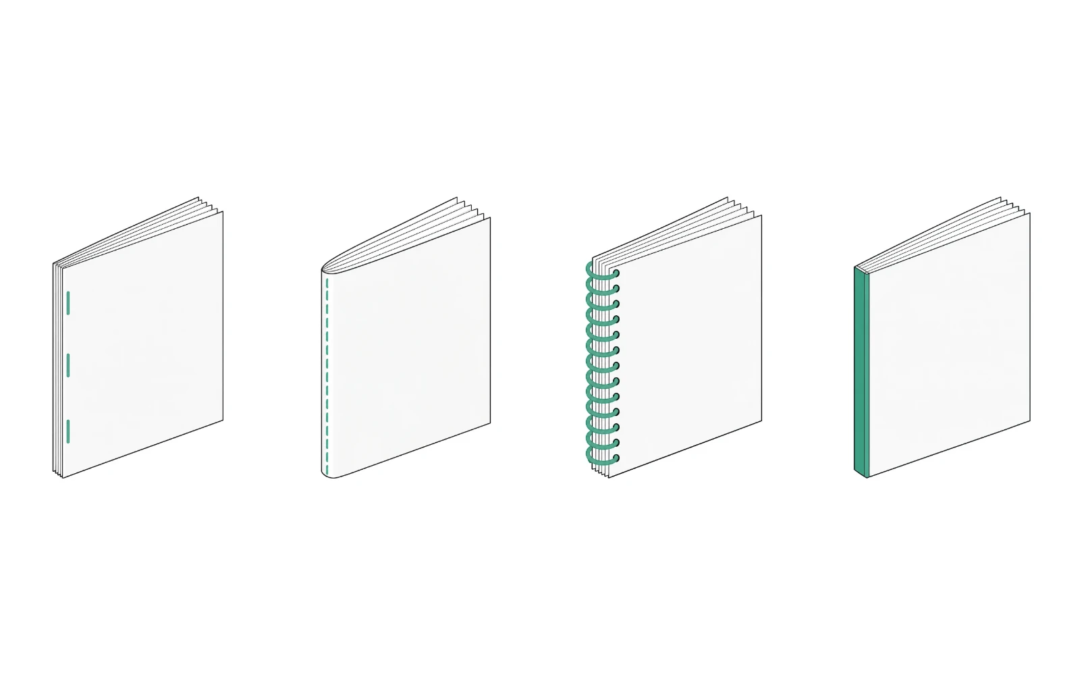
- For books and publications, consider how many pages there are, how heavy the finished book will be, and how easily you want the pages to turn.
- For brochures and marketing materials, you may want a smooth paper that makes photos and colors stand out.
- For notebooks and stationery, an uncoated paper that is comfortable to write on may be more important.
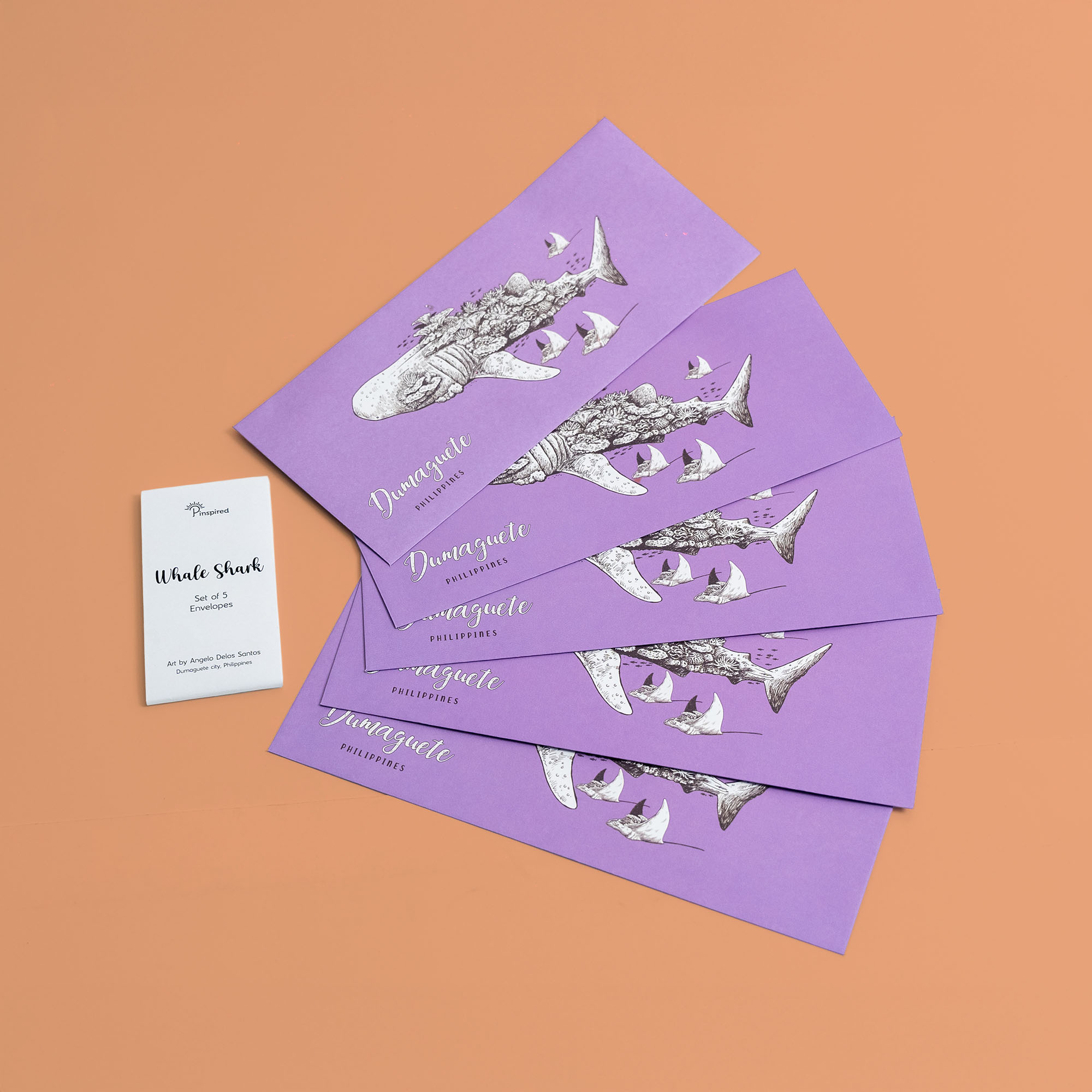
- For packaging, the material needs to work with the structure of the box as well as the printing and finishing.
Paper Can Affect Color
Colors can look different depending on the paper they are printed on.
A bright white coated paper may produce brighter-looking colors, while an uncoated or cream-colored paper can make the same colors appear softer or warmer.
This is why the color you see on your screen may not look exactly the same once it is printed.
Consider the Finishing
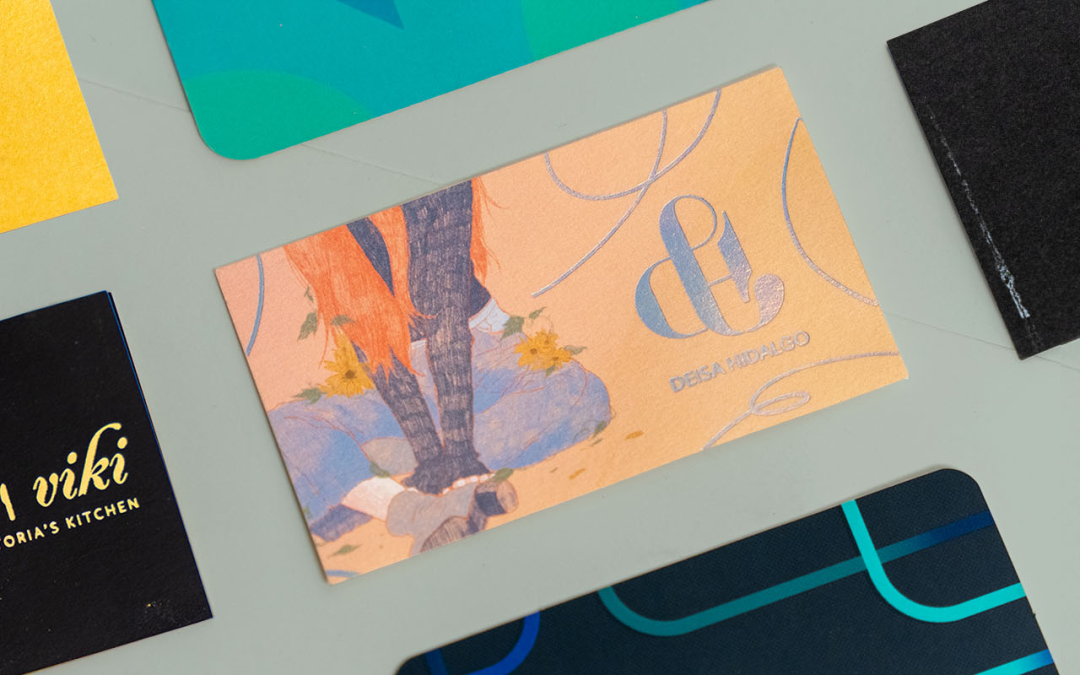
If your project will have foil stamping, embossing, lamination, die-cutting, or other special finishes, the paper also needs to be suitable for that process.
Some papers work better with certain finishes than others, so it’s helpful to decide on the paper and finishing together.
There Is No “Best” Paper
The most expensive paper isn’t always the best choice.
A premium textured stock might be perfect for an invitation but unnecessary for a high-volume brochure. A lightweight paper might work well for a long book but feel too thin for a business card.
The best paper is the one that works for your design, purpose, printing method, finishing, and budget.
Not sure what paper to use? Send us your project specifications and we’ll help you choose options that work for your project.