Offset vs. Digital Printing: Which One Do You Need?
Not sure whether your project needs digital or offset printing? A simple rule: digital is usually better for smaller quantities and personalized prints, while offset is often better for larger quantities and jobs that require specific Pantone colors.
At GA Printing, we offer both, so we can recommend the best option based on your project.
What’s the difference?
Digital printing prints directly from your file, without the need for printing plates. This makes it quick to set up and ideal for smaller quantities.
Offset printing uses printing plates and requires more setup. For larger quantities, however, it becomes more cost-efficient per piece and offers greater flexibility with colors, paper, and sizes.
Digital vs. Offset at a Glance
| Digital | Offset | |
|---|---|---|
| Best for | Smaller quantities | Larger quantities |
| Setup | Quick | Requires more setup |
| Cost per piece | Better for short runs | Becomes more economical at higher quantities |
| Pantone colors | Limited / simulated | Can print specific Pantone colors |
| Personalized printing | Yes | No |
| Paper and sizes | More limited | More options |
When should you choose digital?
Digital printing is a good choice for:
- Small quantities
- Shorter lead times
- Personalized names, numbers, or codes
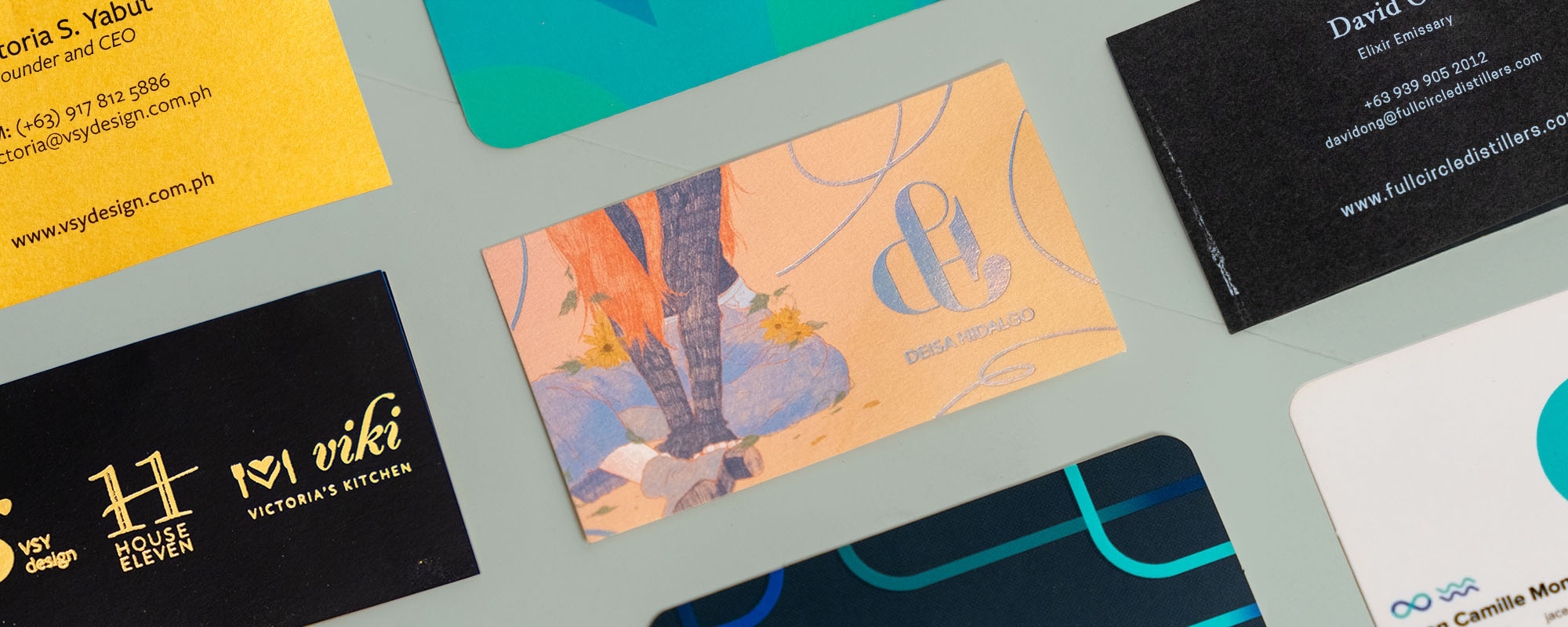
- Business cards, invitations, certificates, short-run booklets, and samples
When should you choose offset?
Offset printing is a good choice for:
- Larger quantities
- Specific Pantone or brand colors
- Larger print sizes
- A wider range of papers and boards
- Books, catalogs, magazines, brochures, flyers, and posters in volume
What about finishing?
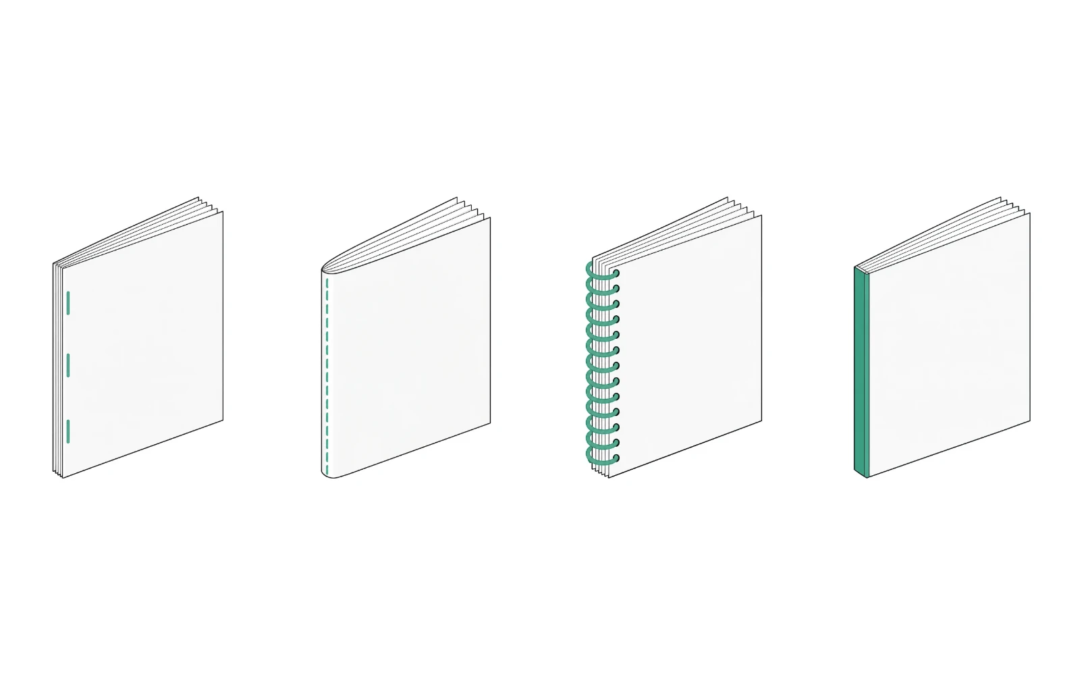
Both digital and offset prints can have additional finishing such as foil stamping, embossing, spot UV, die-cutting, lamination, and binding.
Still not sure which one you need? Send us your project details and we’ll recommend the printing method that best fits your requirements.