Book Binding Methods: Which One Is Right for Your Project?
The way a book is bound affects how it looks, feels, opens, and lasts. The right binding depends on your page count, paper, size, budget, and how the book will be used.
Here’s a simple guide to some of the most common book binding methods.
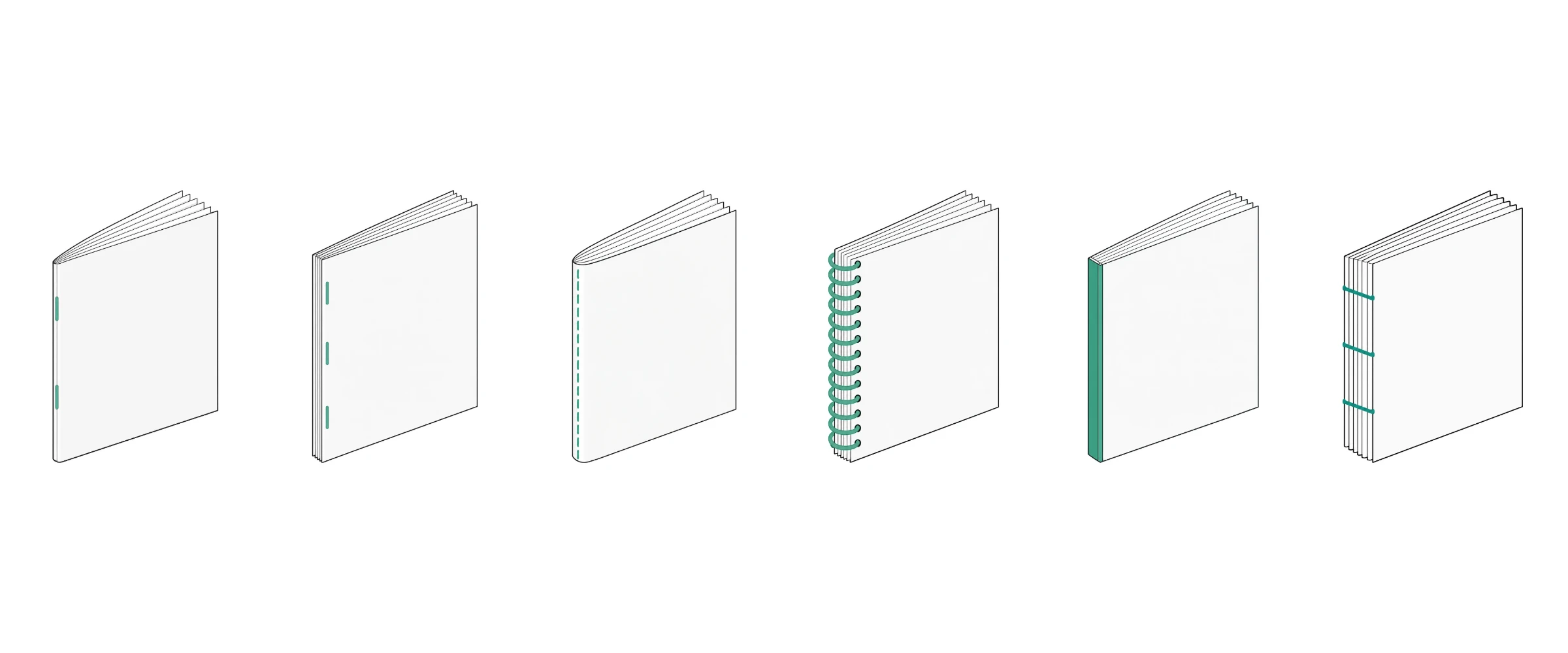
Saddle Stitching
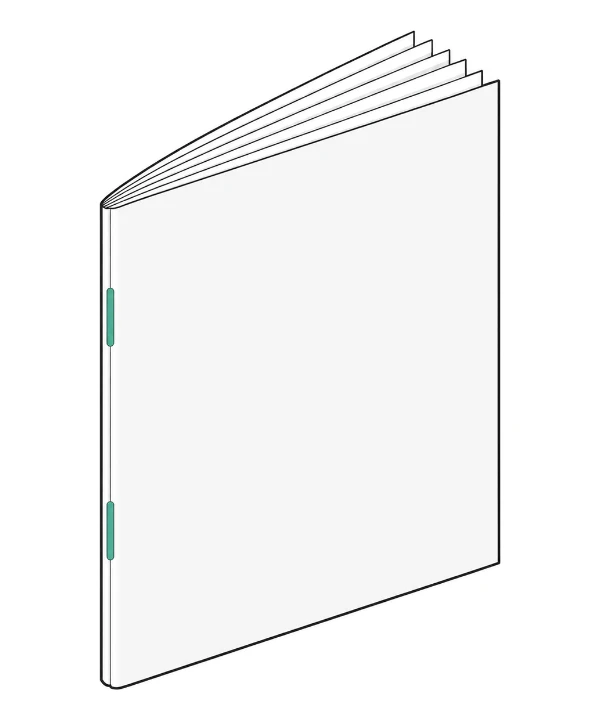
Saddle-stitched books are made by folding sheets in half and stapling them along the spine.
Best for: Booklets, brochures, programs, catalogs, and magazines with fewer pages.
Why choose it: Simple, cost-effective, and opens easily.
Side Stitching
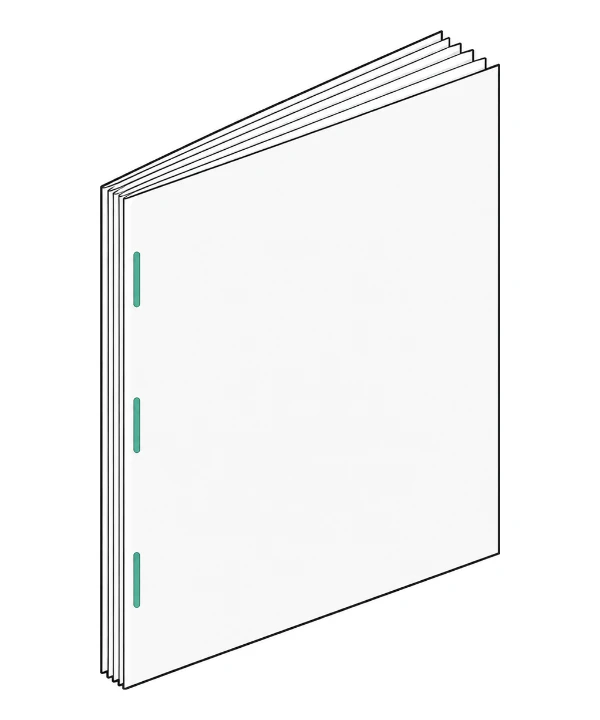
Instead of stapling along the fold, side stitching uses staples through the side of the pages near the spine.
Best for: Notepads, manuals, reports, and documents where a simple, secure binding is needed.
Keep in mind: The stapled edge does not open completely flat, so some space needs to be allowed near the binding.
Singer-Sewn Binding
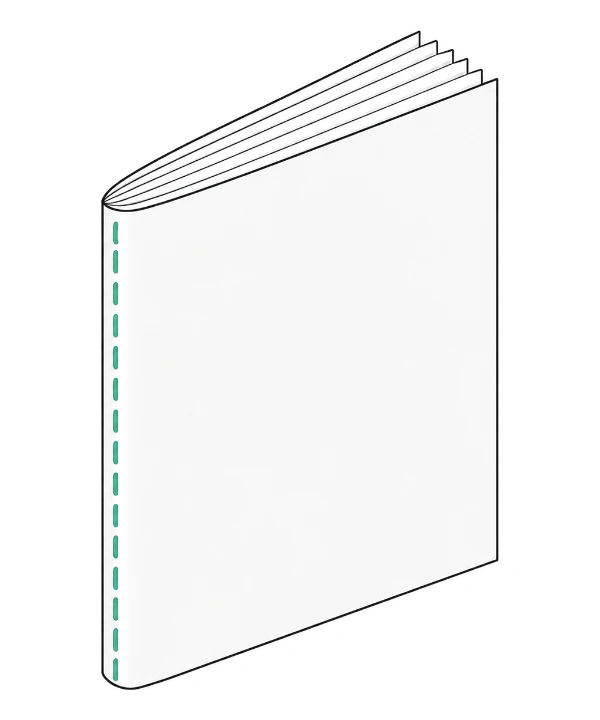
Singer-sewn books use thread to sew the pages together along the spine. The thread becomes part of the book’s design and can be made in different colors.
Best for: Lookbooks, portfolios, notebooks, invitations, and creative publications.
Why choose it: It gives the book a handmade, distinctive look.
Spiral Binding
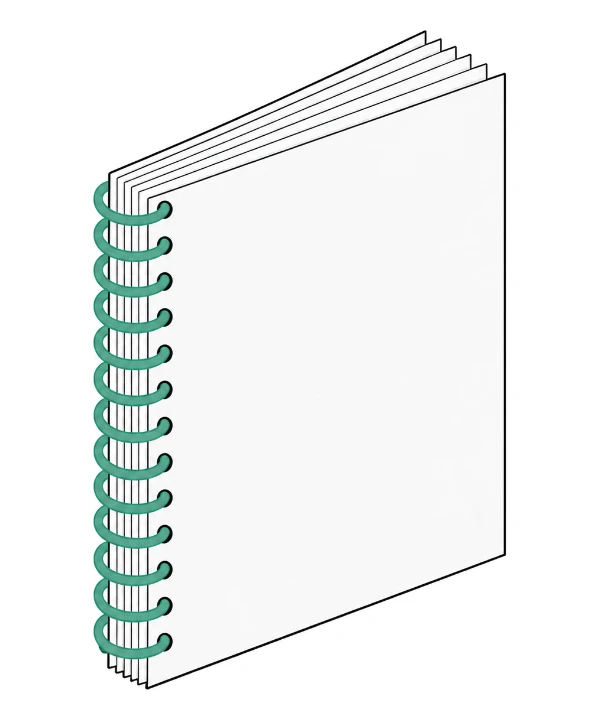
Pages are punched along one edge and held together with a continuous coil.
Best for: Manuals, workbooks, notebooks, calendars, and materials that are used frequently.
Why choose it: Pages can open flat and turn all the way around, making the book easy to use.
PUR Binding
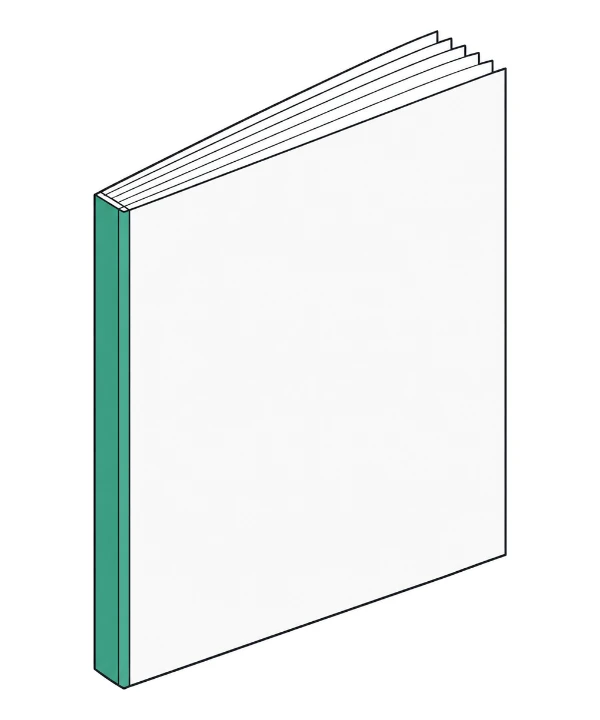
PUR binding uses a strong adhesive to attach the pages to the cover, creating a clean, professional spine.
Best for: Books, catalogs, annual reports, magazines, and thicker publications.
Why choose it: It provides a clean finished look and works well for publications with many pages.
Smyth Sewing
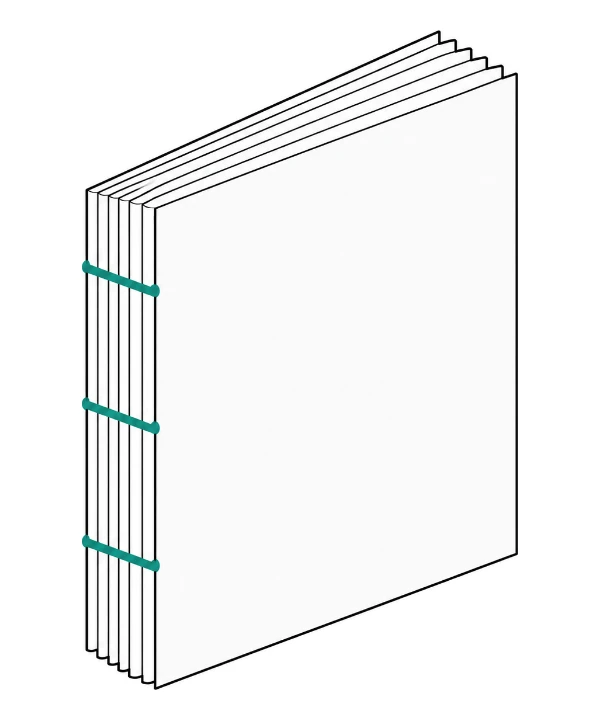
With Smyth sewing, groups of folded pages called signatures are sewn together with thread before being bound into the book.
Best for: Coffee table books, premium publications, hardcover books, and books designed to last.
Why choose it: It creates a strong, durable binding and allows the book to open more comfortably.
Which Binding Should You Choose?
There isn’t one binding method that’s best for every book. A short event program may work well with saddle stitching, while a premium coffee table book may benefit from Smyth sewing.
The best option depends on your page count, paper, size, design, budget, and how you want the finished book to feel.
Not sure which binding works for your project? Send us your book specifications and we’ll help you choose the right one.